Guides
How to build a backroad travel itinerary: route first, services after
How a backroad itinerary is actually built: route designation first, then surface and season, then services, and only then the places you wanted to see.

Archive
Guides
How a backroad itinerary is actually built: route designation first, then surface and season, then services, and only then the places you wanted to see.
Features
Fifteen kinds of historic American road, what each one preserves, and how to tell a route that still carries its history from one that only carries a sign.
Features
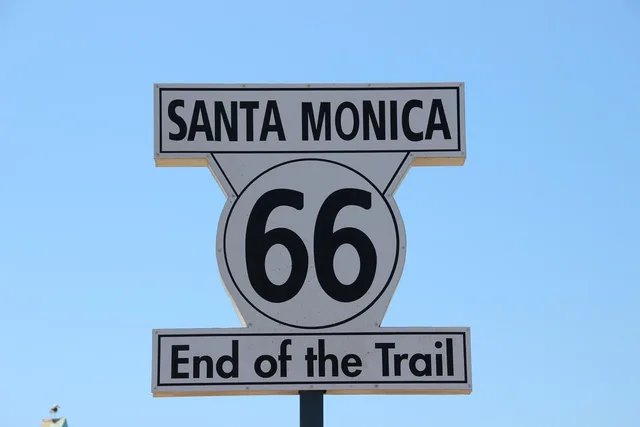
What to shoot and carry on Route 66, the Lincoln Highway, the Natchez Trace and the Blue Ridge Parkway: signs at dusk, old alignments, access hours, dust and roadside safety.
Guides
Slow road travel planning for 2027: setting a realistic daily distance, reading a route's real conditions, budgeting honestly, and checking before you drive.
Guides
How to shape two unhurried days around a scenic drive: short mileage, an early stop, river access in the afternoon, and a camp booked before dark.
Guides
A small town stops itinerary framework for shaping two days around a morning walk, a historic site, access conditions, and a low-key day-two stop.
Rules
Accessible facilities on public land rarely carry a surcharge, so the real costs are fuel, time and the detour to a confirmed accessible restroom stop.
Rules
Slow road travel accessible options on two New Mexico BLM byways, with page details on road surfaces, parking, water, restrooms and nearby services.
Guides
What to settle before a scenic drive: surface and grade, where the pavement ends, whether the access is legal, and who to call for current conditions.
Features
How the seasons open and close access on a slow road trip, from fee-free days and camp-host seasons to shoulder-week trade-offs and mountain road closures.
Features
Season sets what a slow road trip can include. How closures, heat and mud narrow the calendar, and how to pick dates that match the route you want.
Costs
Road trip costs are easier to plan when distance, nights, access and living stay separate, with local lodging and published public-fee sources in view.
Features
How to choose stops that earn their detour on a historic route, with two documented roadside sites that show what a good short stop actually offers.
Industry
What small businesses along a scenic route can do that agencies cannot: current road reports, real opening hours, water, and a reason to stop at all.
Industry
Small town stops businesses can make welcoming with clear signs, dependable hours, clean facilities, local maps and accurate history for passing travelers.
Reviews
Named operators on historic highways, what each day includes, and five questions that separate real interpretation from a seat and a route map.
Industry
Road trip costs companies advertise can be checked with camp hosts, BLM field offices, Colorado Parks and Wildlife, and official campground pages.
Industry
Four free sources of local help for a slow road trip, where to find each one, what it knows, and a short call plan to run before you hire a guide.
Guides
Planning a historic route at a pace that works: elevation and grade, loops instead of point to point, and leaving the last hour of the day unbooked.
Guides
Scenic drives booking: the questions worth asking before you pay a guided operator, from who issued the permit to what a federal pass does and does not cover.
Guides
What to confirm before committing to a small town stop: seasonal days and hours, access roads, fuel, and who holds current local information.
Costs
For a slow road trip, settle access before nights and mileage. A side trip from Kanab, Utah, shows how a permit can shape the drive.
Costs
Slow road travel cost, split by what scales with miles and with nights: regional pump prices, the federal pass and park entry fees, and the padding to keep.
Costs
Costing a two day historic route weekend: mileage as the anchor figure, site fees, where the money goes, and the padding that keeps the budget honest.
Maintenance
The things a first scenic drive teaches the hard way: working roads, single lane sections, no phone signal, and stops that exist only on the map.
Maintenance
The parts of a small town most drivers pass without seeing: the original center, the reason it was built there, and the hours that quietly govern the day.
Guides
A road trip costs packing list built around buying before you leave town, plus what two BLM campgrounds already provide on site.
Guides
A packing list built around the failures that actually happen on remote roads: water, fuel, recovery gear, navigation that works without a phone signal.
Industry
Choosing a base for a scenic drive: developed campgrounds, dispersed sites, stay limits and the questions a campground page answers before you arrive.
Industry
Choosing a base near small towns: campgrounds on the highway, motels in town, reservation windows, and the safety checks worth making before you book.
Reviews
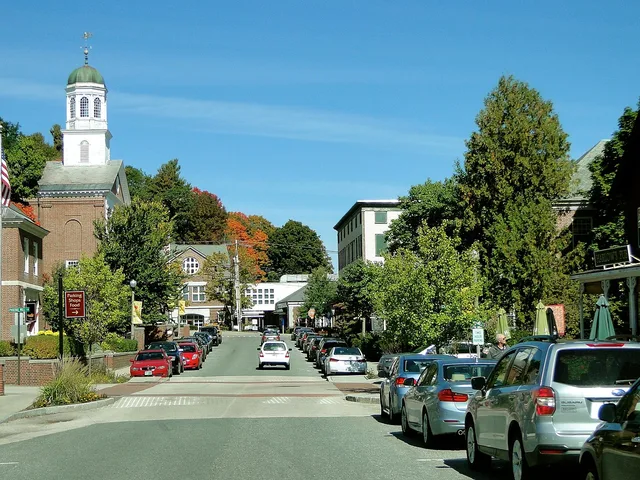
How to tell which small towns are worth stopping in: the buildings that mark a real center, the services that survive, and the ones that only look promising.