Costs
Part of Getting slow road travel right the first time
Slow road travel cost: fuel by region and federal land fees
Slow road travel cost, split by what scales with miles and with nights: regional pump prices, the federal pass and park entry fees, and the padding to keep.
What to take away
- Fuel is the honest headline cost, and slow driving on gravel burns more of it than the highway figure suggests.
- Public land fees come in two kinds, and an annual pass covers only one of them.
- Lodging rates move by season in the same town, sometimes sharply.
- Budget the contingency as a line item, not as optimism.
Slow travel is cheaper per day and often more expensive per trip, because the trip lasts longer. The way to keep control of it is to separate the costs that scale with distance from the costs that scale with nights.
Costs that scale with distance
Fuel dominates. Work from your vehicle's real consumption on the surface you will drive rather than its rated figure, since low gears, soft sand and washboard all cost more than the highway number. Add tires to this column too. A gravel heavy trip shortens tire life, and a plug kit or a replacement on the road is a real expense.
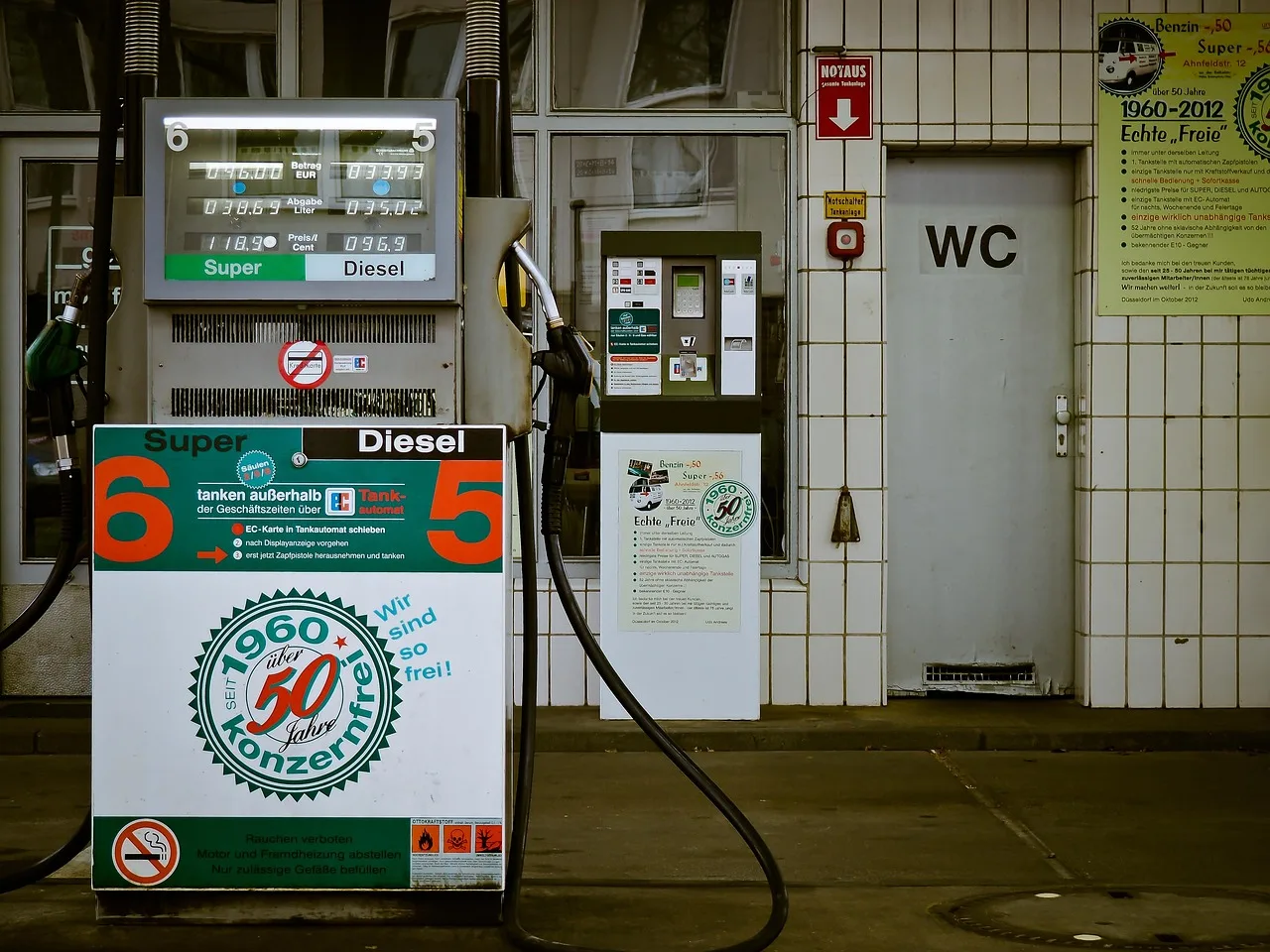
The pump price changes with the region more than with the season. A recent EIA weekly gasoline survey put regular gasoline at $4.465 a gallon on average across the US, $3.924 on the Gulf Coast, $4.486 in the Rocky Mountain region and $5.724 on the West Coast. A back road loop through the Rockies or the Pacific states should be priced at its own regional figure, not the national one; divide the miles by your real consumption and multiply by the price for the region you will drive.
The other distance cost is time. Every extra driving day is a night of lodging, a day of food and another tank. Cutting one hundred miles from a route often saves more than any booking trick.
Costs that scale with nights
Camping fees, motels and the occasional cabin all sit here. Rates for the same town are not stable across the year, and it helps to understand why.
The General Services Administration's explanation of what moves lodging rates shows how federal lodging rates are built from average daily rate data.
A seasonal rate period is created when a sustained stretch of two months or more runs at least 15 percent above or below the neighboring period.
You are not claiming a federal rate, but the mechanism is the same one your own budget meets. If you shift a trip by three weeks, the same motel may cost noticeably less.
Fees on public land
Site fees are small on their own but add up over a long trip. The BLM's recreation fee program sets out two categories.
Standard amenity fees apply at day use sites with at least six features: picnic tables, trash receptacles, toilets, parking, and interpretive signs. Security services count as the sixth. Expanded amenity fees apply to campgrounds, developed boat launches, swimming areas, and cabin rentals, because they serve individuals directly.
The interagency annual pass is the America the Beautiful—the National Parks and Federal Recreational Lands Pass. It covers entrance fees and standard amenity day-use fees on lands managed by the National Park Service, the US Fish & Wildlife Service, the US Forest Service, the Bureau of Land Management, the Bureau of Reclamation and the US Army Corps of Engineers. It does not pay your campground fee. Budget camping nights separately.
Grand Canyon National Park shows when the pass pays for itself. Its fees and passes page lists a private vehicle entrance at $35.00, valid for 7 days, and a Grand Canyon-only annual pass at $70.00, against $80.00 for the America the Beautiful resident annual pass and $250.00 for the non-resident version. Non-US residents aged 16 and over pay an additional $100 per person unless they enter with an annual or America the Beautiful pass, and the park accepts cards only, no cash. Three park entries at that vehicle price already cost more than the interagency pass.
A worked shape for a ten day trip
- Fueldistance divided by real consumption, then add fifteen percent for gravel and detours.
- Nightssplit into camping nights and roofed nights, and price each separately.
- Fees and permitsday use, camping and any route or river permit the pages mention.
- Foodshop in the last real town, not at the last gas station.
- Contingencyten percent, or the cost of two unplanned nights and one tire, whichever is larger.
Where to go next
The order in which these decisions get made is laid out in the main planning guide, and the seasonal side of the budget is covered in when to go.