Guides
Part of Reading the civic buildings that separate a real small town from a stop sign
How to confirm seasonal hours at a small town stop before you go
What to confirm before committing to a small town stop: seasonal days and hours, access roads, fuel, and who holds current local information.
What to take away
- Confirm the day as well as the hour. Seasonal days catch out more travelers than seasonal hours.
- Staffed visitor centers hold road and weather information you cannot get anywhere else.
- Buildings that exist because of a road are often seasonal for the same reason.
- Ask who to call if something changes, and write the number down before you lose signal.
Booking a small town stop is less about reservations than about confirmation. Very little needs paying for in advance. A great deal needs checking, and the checking is what turns a hopeful plan into one that survives contact with a Tuesday in November.
Ask the visitor center, not the search engine
Staffed centers are the best source of local conditions, and they say so themselves. The BLM's page for the Escalante Interagency Visitor Center in Utah describes a facility staffed by personnel from three federal agencies, opened in 2005. Its staff hold up to date information on road conditions and hiking trails.
The accessibility notes describe a parking area of mainly compacted gravel with three paved accessible spaces. One is a van space with an access aisle, and an outdoor interpretive kiosk sits on a concrete pad beside the parking lot.
That is the level of specificity worth seeking. Call a center like that and ask about the road, not about the view.
Some stops are seasonal because the road is
Buildings on touring routes were often built for traffic that exists only part of the year. The GSA's entry for the Chief Mountain U.S. Border Station in Montana describes a station and pump house built in 1939.
A detached garage followed in 1941, in the National Park Service Rustic style, to monitor a crossing between Glacier National Park and Waterton Lakes National Park.
The page ties the need to rising visitation and automobile traffic after the Going to the Sun Road was completed in 1933.
A stop that exists because of a seasonal road inherits that season. Ask when it opens and closes, and ask what happens either side of those dates.
The confirmation list
- What days are you open in the month I am coming, not just what hours?
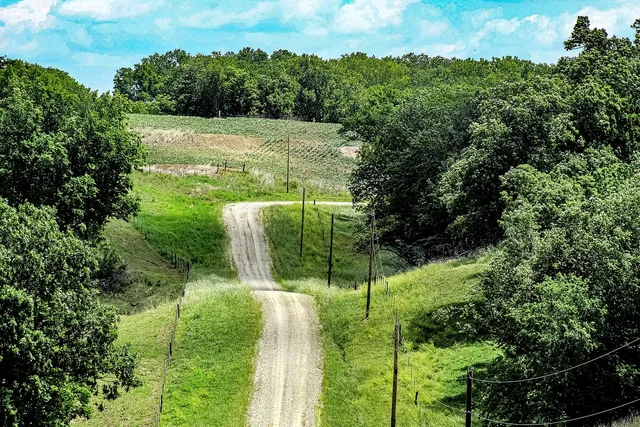
- Is the access road paved, and what condition is it in now?
- Is there fuel and water within how many miles?
- Do you take cards, and is there a cash machine in town?
- Who should I call if the weather changes, and what is that number?
- When did someone last check the road I am asking about?
Reading the answers
A precise answer with a date attached is worth more than a confident one without. If two sources disagree, prefer the one that has physically been there most recently, and plan for the more cautious of the two.
Write the numbers on paper. On most of these routes you will lose signal long before you need them.
One more habit is worth building. Record the date you were told something, next to the answer. A road report from three weeks ago and one from yesterday look identical in a notebook, and only one of them is worth acting on when the weather has turned.
Where to go next
For a sense of which towns justify this effort, which small town stops make sense sets out the three kinds of stop. To see the confirmed answers turned into a plan, read the two day itinerary.