Guides
Part of Reading the civic buildings that separate a real small town from a stop sign
Small town stops itinerary planning: a two-day framework
A small town stops itinerary framework for shaping two days around a morning walk, a historic site, access conditions, and a low-key day-two stop.
What to take away
- Build the two days around three towns, not eight. Anything more is a driving trip.
- Put the walking town in the morning, when shops and offices are open.
- Sites reached by rough roads belong in the middle of the day, with daylight either side.
- Sleep where there is fuel and food, even if the prettier town is thirty miles back.
A small town stops itinerary works best as a triangle: somewhere to walk, somewhere to look at, and somewhere to sleep with services. Fill it in that order and the driving takes care of itself.
Day one: walk first, drive second
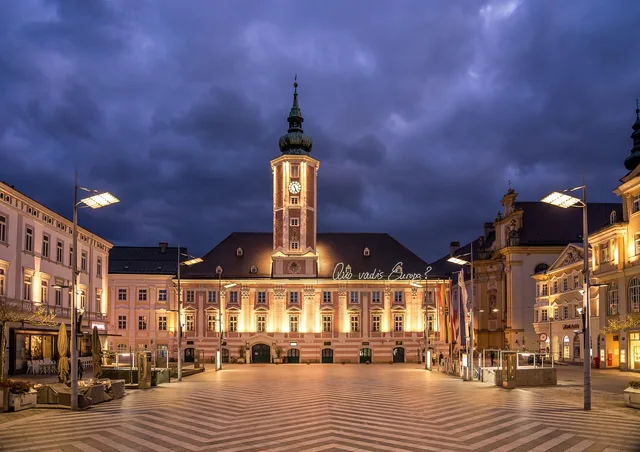
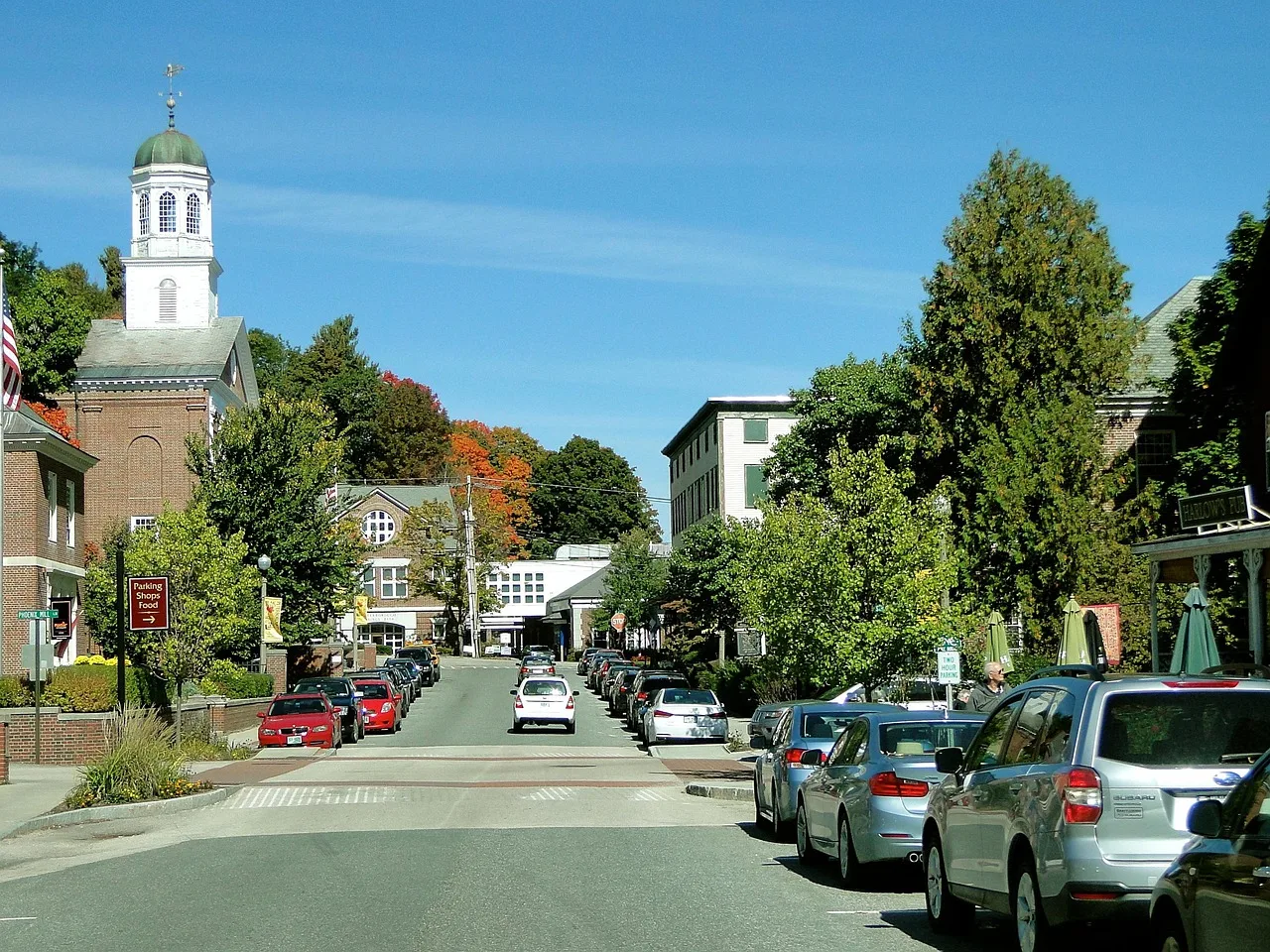
Small town centers are morning places. Bakeries, hardware stores, county offices and museums keep short hours, and by four in the afternoon a main street can be entirely shut. Arrive early, park once, and walk.
- Park near the civic buildings, which usually sit at the middle of the original center.
- Walk both sides of two or three blocks rather than one long strip.
- Buy something. It is the fastest way into a conversation about the road ahead.
- Ask at the counter what is open tomorrow and what is not.
The afternoon site, and its access road
The site often explains why the town exists, and the road to it is often the catch. The BLM's page for the Birch Creek Historic Ranch in Oregon describes a ranch a Basque sheepherder and a cattle rancher established in the early 1900s.
Nineteen buildings and structures contribute to its listing on the National Register of Historic Places. Stone walls in the Basque tradition still stand on the mesa.
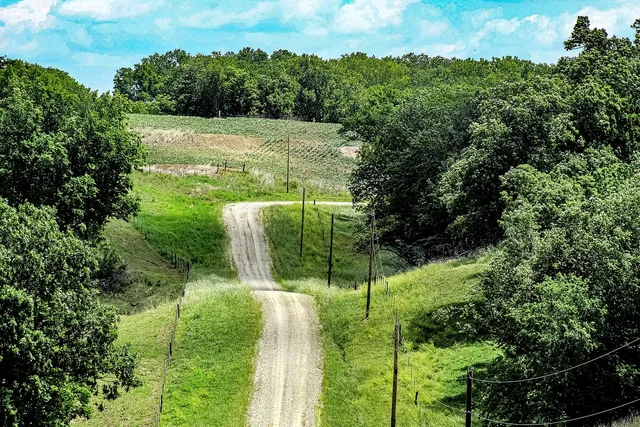
The practical detail sits on the same page. It is open year round, with best access from May to October. Accessibility depends on road conditions, and a high clearance four wheel drive vehicle is recommended.
A five unit campground has a single water source and restroom. It advises contacting the district office for current road access conditions and any seasonal fire closures.
Read that before you plan the afternoon. A site like this belongs in the middle of the day, not at dusk.
These are separate examples, not stops on one suggested route: Birch Creek is in Oregon, while Rock House is in Arizona. Treat them as examples of how to check site access and facilities, then choose a day-two stop near your own route.
Day two: an easy stop and an unhurried return
The second day works better with one easy destination and a slow drive home. Sites with a staffed contact point are ideal, because you get information as well as facilities.
The BLM page for Rock House Visitor Center and Recreation Area covers a river front site on Arizona's lower Colorado. It has river access, a boat launch, shaded benches, a visitor center, and restrooms.
Used year round, with a winter volunteer site host on hand to answer questions.
That combination, shade and a toilet and somebody to ask, is worth planning a day around when the alternative is another hour of driving.
The shape in brief
- Morningwalking town, on foot, before the shops close.
- Middayfuel, water and groceries for the next stretch.
- Afternoonthe site, with its access road checked in advance.
- Eveningthe town with services, not the prettiest one.
- Day twoone served stop, then a slow return.
Choosing your three towns
Which towns are worth the stop is decided by what is open, not by what looks best on the map. Look for a compact center with civic buildings and a few shops, a historic site within an afternoon's drive, and fuel, food and a bed in the same place. Confirm the days as well as the hours, and keep the second night open if options are thin.