Guides
Part of Road trip costs: four-column budget framework
Road trip costs packing list: buy before, not during
A road trip costs packing list built around buying before you leave town, plus what two BLM campgrounds already provide on site.
What to take away
- Packing to save money means carrying the things you would otherwise buy at the worst price.
- Read the site page for what is provided. Shade, water and a grill are often already there.
- Vehicle length limits and narrow access roads decide what you can bring more than budget does.
- Carry exact change and a card. Some pay stations take both, and some take neither well.
A budget led road trip means not paying convenience store prices for water, ice and a phone charger at nine at night, three hundred miles from the town where those things are cheap. That is the logic behind the road trip costs packing list below.
Buy before, not during
- Water in bulk, refilled at every confirmed source.
- Food for two days beyond the plan, bought in a real grocery store.
- Ice, if you are running a cooler, from the last supermarket rather than the last gas station.
- Coffee, fuel canisters and batteries, which are easier to find in town than at a remote gas station.
- A tire plug kit and a compressor, so a puncture does not end the day.
Check what the site already gives you
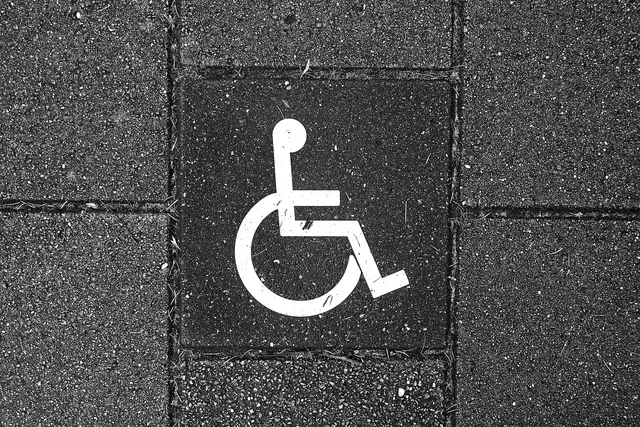
Carrying duplicates of what is provided wastes space you may need. The BLM's page for Corn Springs Campground in California answers this directly. It describes a six dollar per night camping fee at a canyon site beside a stand of California fan palms, and says the site is wheelchair accessible.
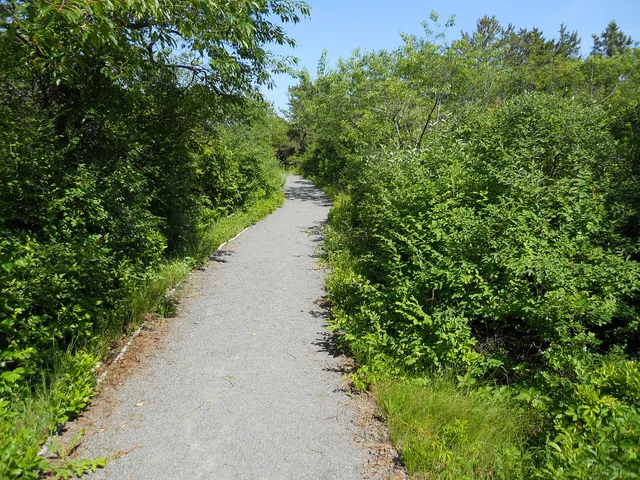
There is a half mile interpretive trail easy enough to walk in ordinary shoes, alongside petroglyph panels the page calls among the finest rock art in the Colorado Desert.
At six dollars a night with facilities on site, the packing question changes. You are carrying comfort, not infrastructure.
Access decides your load
Some sites limit what you can physically bring. The BLM's entry for Aguirre Spring Campground in New Mexico lists 55 first come first served sites, each with a shade shelter, picnic table, grill and tent pad. Water is available only at the entrance to the recreation site, near the camp host.
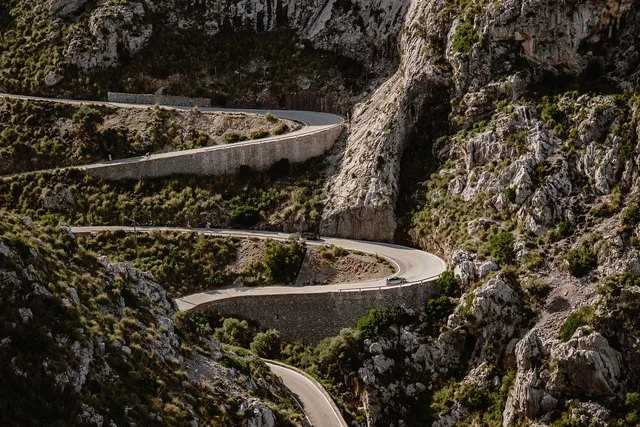
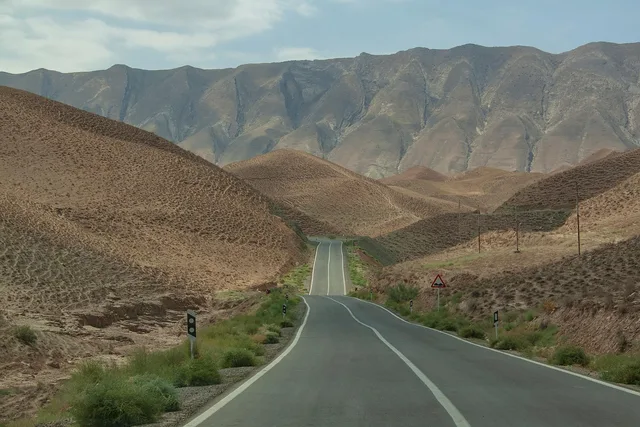
The five and a half mile access road becomes narrow and winding, so the recommended maximum length for recreational vehicles is 23 feet. Self service pay stations accept cash, check and tap payment.
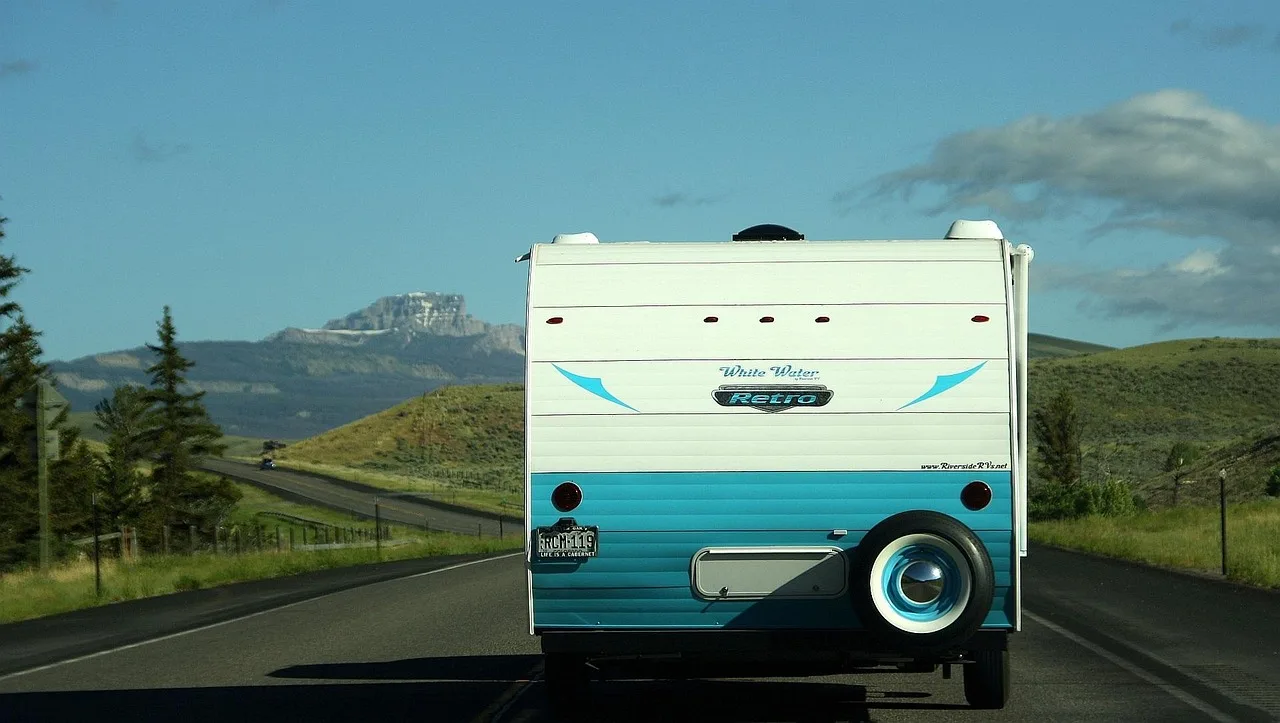
Two lessons for packing. Bring containers to carry water from the entrance to your site, and check length limits before you rent or load anything large.
The small items that save the most
- Two five gallon water containers and a funnel.
- A stove that runs on fuel you can buy in a small town.
- A headlamp per person, so nobody drives to find one.
- Cash in small bills for fee envelopes, plus a card for tap enabled stations.
- A basic repair kittape, zip ties, a fuse assortment and a tire gauge.
What to read next
What all this fits into, including the four column budget and a contingency with a purpose, is set out in the road trip budgeting guide. If the aim is to make a trip work for everyone in the vehicle, accessible options and what they cost covers the facilities question directly.