Maintenance
Part of Reading the civic buildings that separate a real small town from a stop sign
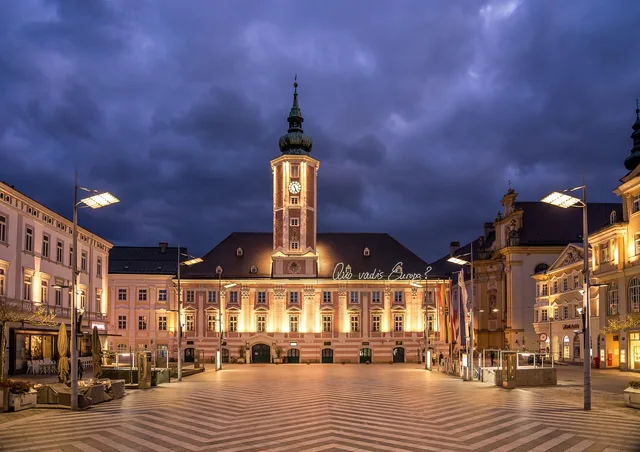
A small town's courthouse square explains what most visitors miss
The parts of a small town most drivers pass without seeing: the original center, the reason it was built there, and the hours that quietly govern the day.
What to take away
- The highway strip is rarely the town. The original center is usually a few blocks away.
- Buildings are dated and documented, and the dates explain the street around them.
- Opening hours in small towns are shorter and less predictable than travelers expect.
- What looks like decline is often relocation. The business moved, the building stayed.
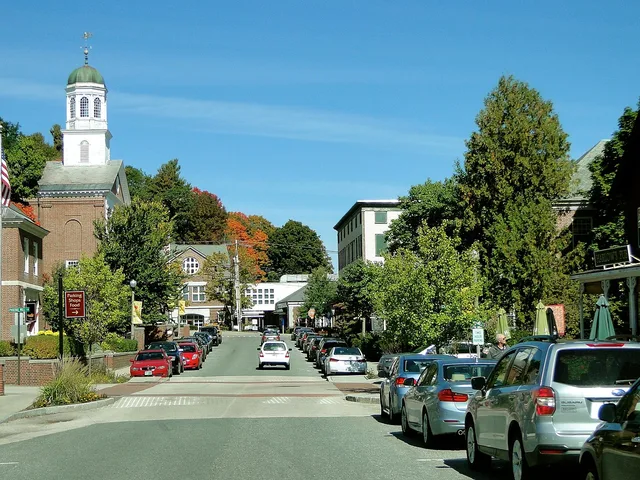
Most drivers experience a small town as a gas station, a traffic light and a sign. The parts worth stopping for are usually three blocks off the highway, and they are easy to find once you know what you are looking at.
The center is where the courthouse is
Federal and county buildings were sited at the commercial heart of a town, and they mark it permanently even after the shops move. The GSA's history of the Federal Building and U.S. Courthouse in Eau Claire, Wisconsin describes a town established in 1845 at the confluence of the Eau Claire and Chippewa rivers. It grew rapidly with the lumber industry.
Between 1902 and 1906 the government assembled a block at the south end of the commercial district for its first purpose built federal building. It was completed in 1909 at a cost of 160,000 dollars, with the post office occupying the entire first floor.
Two rivers, a lumber industry, a commercial district with a defined south end. That is a map of where to walk, drawn by a building record.
Architecture is a date stamp
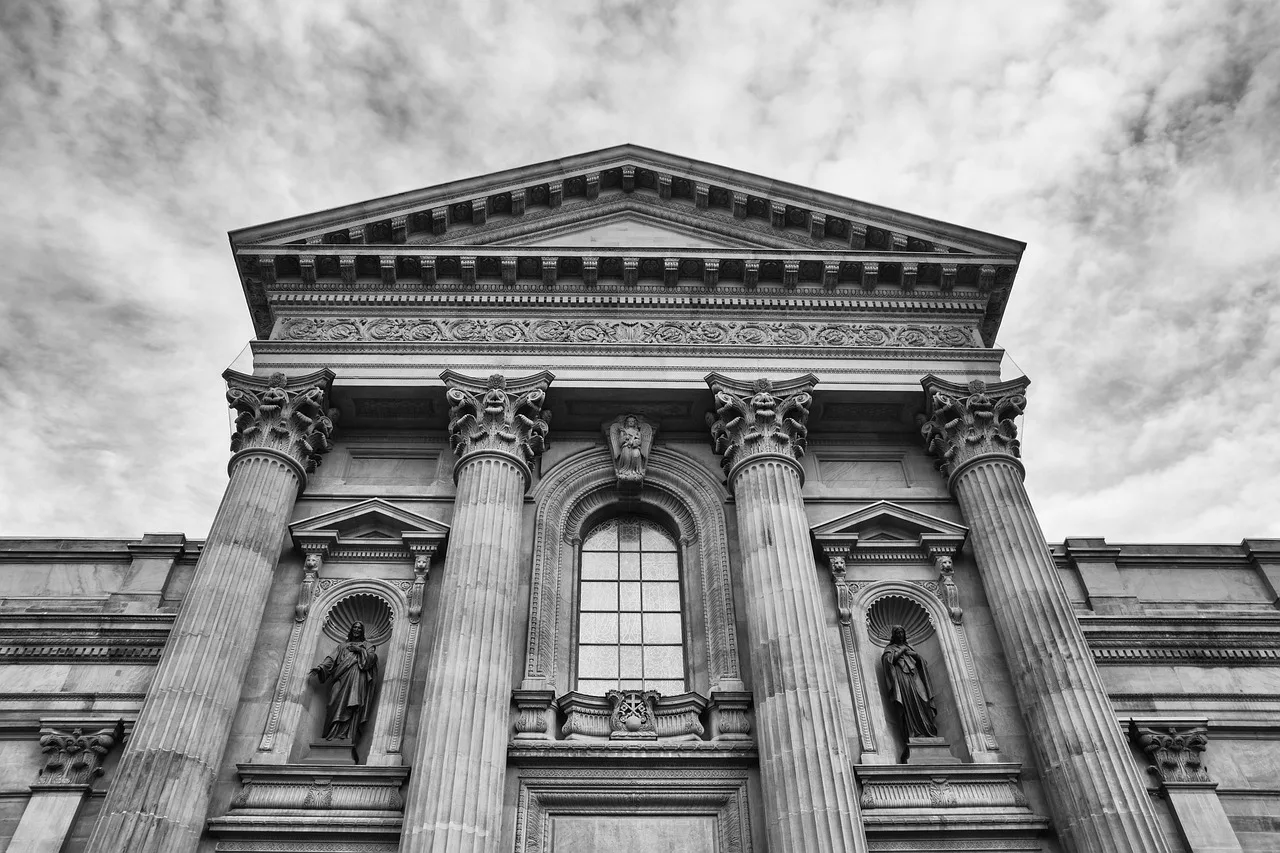
You do not need to know styles to use them. A restrained classical facade in a small western town usually means the years around statehood or a local boom. The GSA's entry for the Ed Edmondson U.S. Courthouse in Muskogee, Oklahoma describes a federal building completed in 1915, shortly after statehood.
The site had held five simple wood frame houses on the western edge of the town center, beside churches and hotels. The building was designed under the same Treasury supervising architect who shaped so many buildings of the period.
Wood frame houses replaced by a masonry federal building within a few years is the whole history of a boom in one sentence. Look for that transition on any main street.
The hours nobody warns you about
- Many independent shops close between two and four in the afternoon.
- Museums and visitor centers often run seasonal days, not just seasonal hours.
- The only restaurant may stop serving at seven.
- Fuel stations on secondary routes are not always open overnight.
- County offices, which sometimes hold local archives, keep weekday hours only.
Assume the town runs on its own schedule and ask early rather than discovering it at six.
What decline actually looks like
An empty storefront on a main street does not mean the town has gone. The business has frequently moved to a newer building on the highway, taking the trade with it and leaving the architecture behind. Judge a town by whether people are around, not by how many windows are papered over.
Where to go next
Sorting the towns worth an hour from the ones worth twenty minutes is covered in which small town stops make sense. If you run a business on a route like this, how local businesses can help travelers sets out what visitors are actually looking for.