Industry
Part of Reading the civic buildings that separate a real small town from a stop sign
Small town stops businesses can make welcoming
Small town stops businesses can make welcoming with clear signs, dependable hours, clean facilities, local maps and accurate history for passing travelers.
What to take away
- Travelers stop for four thingsfuel, food, a toilet and information. Supply any two well and they stay.
- Use verifiable local history as context for a stop rather than inventing a story.
- Publish hours you will actually keep, including the day of the week.
- Cooperate with the site or agency nearby. Volunteer stewardship is a route into that.
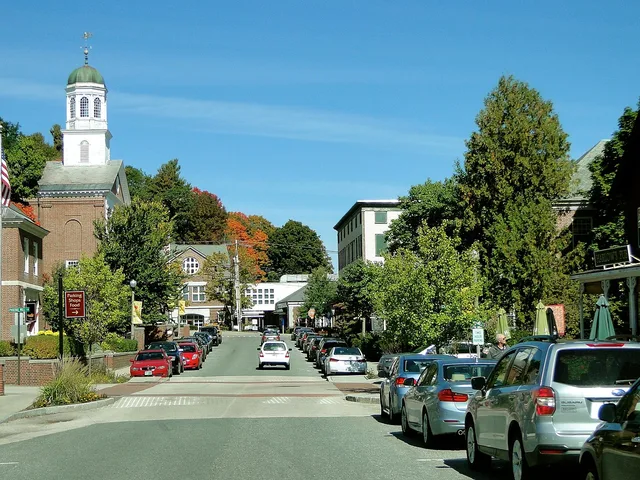
A passing traveler makes a stop or skip decision in about ten seconds. Most of that decision is made on signage and visible facilities, not on price or charm. Small town stops businesses can make welcoming start with clear answers to the obvious questions from the street.
Use local history accurately
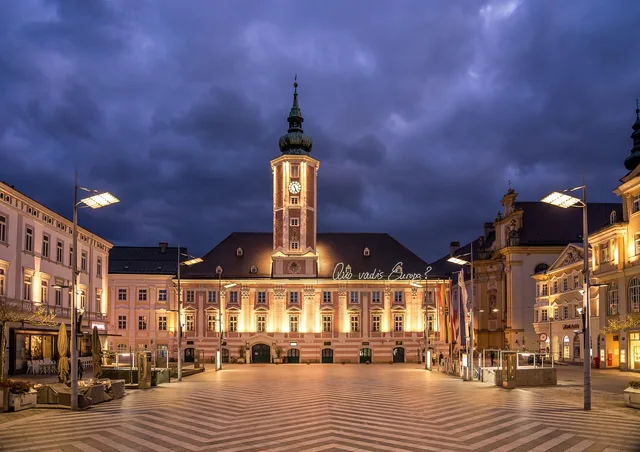
Many small towns have documented federal buildings with published histories, and those records date the street around them. A federal building is only one part of local history. For a listed place, check the National Register of Historic Places; the State Historic Preservation Office (SHPO), a local historical society, public library or county archive can help locate town-level records.
The GSA's timeline entry for the Great Depression years traces the federal building program through the 1930s. It includes the Public Works Branch, created within the Treasury Department in June 1933 by executive order. That body produced many courthouses and post offices in ordinary towns.
If your building or your neighbor's dates from that period, use that context rather than a generic claim about pioneer spirit. Put the date and one verifiable fact on a card in the window.
Stewardship is a working relationship
Where a business sits near public land, cooperation is a real option rather than a gesture. The BLM publishes stories from its cultural resources program describing partnership work on the ground, including volunteers documenting rock shelters and rock art over several days in Wyoming, and stewardship partnerships protecting sites such as the Richardson Homestead in Arizona.
Those are small, local efforts with named field offices behind them. A business that hosts a sign, a clean up day or a volunteer group becomes part of the reason a route is worth driving.
Practical things that make travelers stop
- A sign at the road that says what you sell, in words, not a logo.
- Hours by day and season on the door and online, kept accurate.
- Water, ice and a clean toilet, all mentioned on the sign.
- A printed local map with distances to the next fuel and the next town.
- Somewhere shaded to sit for ten minutes.
Things that quietly cost you trade
- Hours that are wrong online. This is the single most damaging error.
- No indication whether you are open in the off season.
- A toilet marked customers only with no way to become a customer quickly.
- No mention of whether you take cards, in an area with no cash machine.
None of those are expensive to fix. They are almost entirely questions of what appears on a door, a window and a page, and they decide whether a driver who has already slowed down comes to a stop or carries on to the next town.
Where to go next
For a visitor's perspective on what makes a town worth an hour on foot, read the two day itinerary.