Reviews
Reading the civic buildings that separate a real small town from a stop sign
How to tell which small towns are worth stopping in: the buildings that mark a real center, the services that survive, and the ones that only look promising.
What to take away
- A town with a purpose built federal building once had money, mail and a court. That usually shows.
- Look for a compact center rather than a long strip. Compact towns reward walking.
- What survives matters more than what was built. Check services before you plan a stop.
- Towns built by one industry read differently from towns built by a crossing or a river.
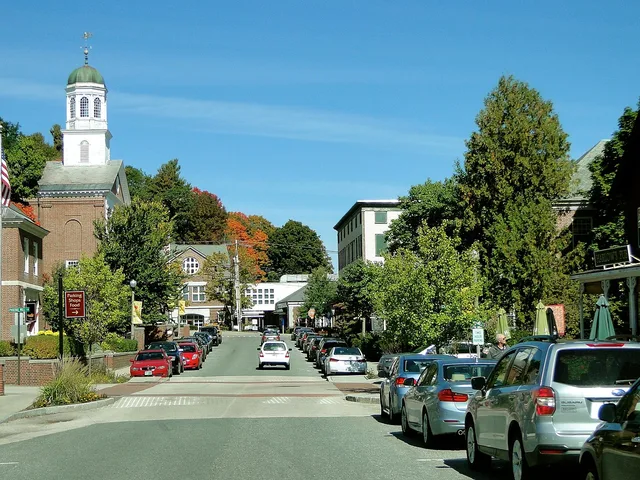
Not every small town on a route is worth an hour. The ones that are tend to share a shape: a short main street, a few substantial civic buildings near the middle of it, and enough remaining business to give you a reason to get out of the car.
Read the civic buildings
Early twentieth century federal buildings were placed deliberately, and their location shows where the real center was. The GSA's entry for the C. Bascom Slemp Federal Building in Big Stone Gap, Virginia describes a post office and courthouse completed in 1912 at the southwest corner of Wood Avenue and East Fourth Street, in the center of the small commercial downtown.
Designed under Treasury supervising architect James Knox Taylor in the Second Renaissance Revival style, it has served since as a local landmark.
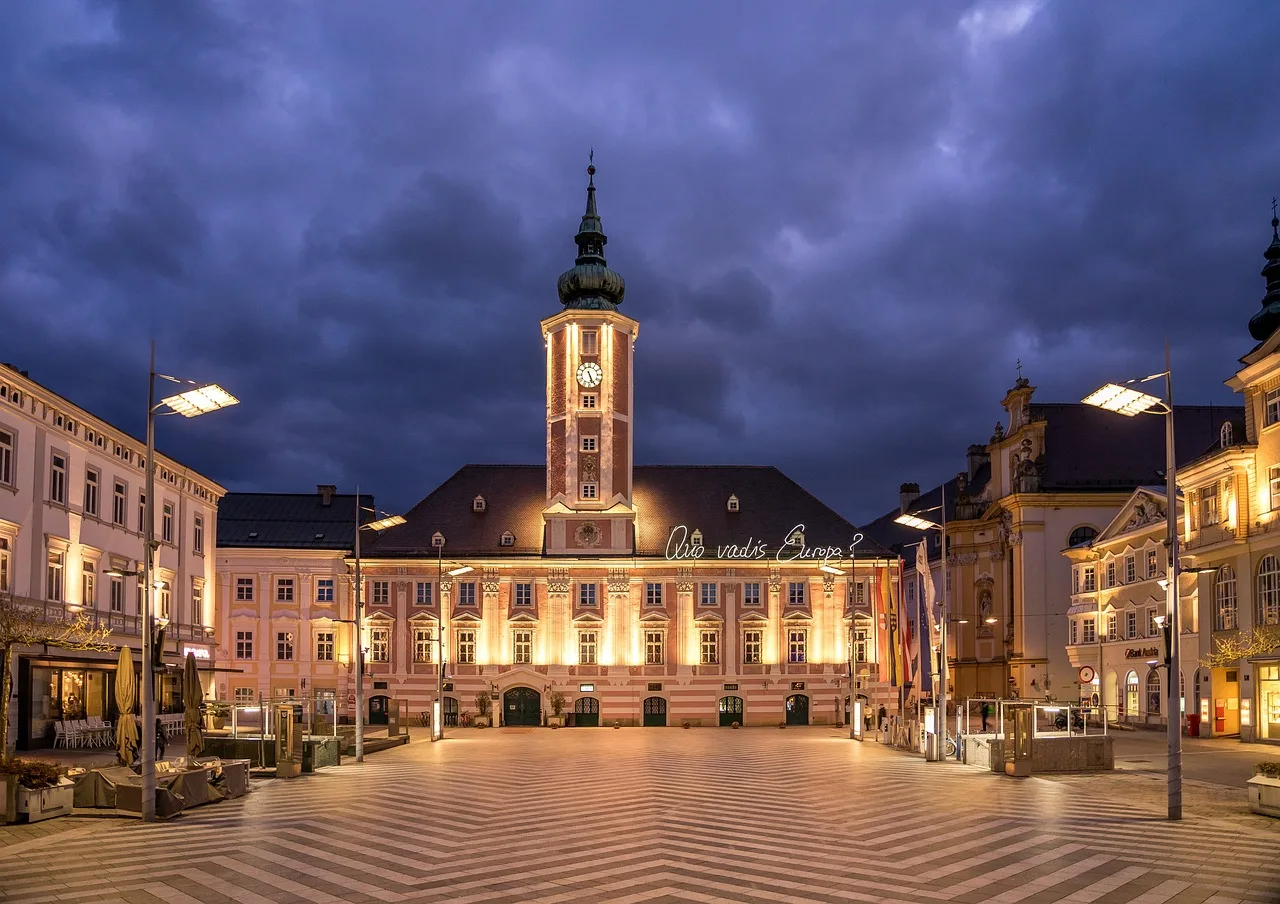
That is the pattern to look for on a route. A dignified masonry building at a corner in the middle of a short commercial street is a reliable sign that the town had a functioning core, and it usually still marks the most walkable few blocks.
Understand why the town exists
Origin explains layout. The GSA's history of the Elizabeth Kee Federal Building in Bluefield, West Virginia traces the city to two farms and the discovery of the Pocahontas coalfield.
A landowner offered an eighty foot right of way to bring a railroad across the property. Construction of the Norfolk and Western line began in 1881 to ship coal out of the field.
A railroad and resource town is laid out along a line, with the commercial district close to the tracks. A crossing town clusters at a junction. A county seat centers on a square. Knowing which you are entering tells you where to park.
Three kinds of stop
What it offers
- Service stop
- Fuel, water, groceries, toilets
- Walking stop
- A compact center worth an hour on foot
- Overnight
- Lodging, an evening meal, an early start
How long
- Service stop
- 20 minutes
- Walking stop
- 1 to 2 hours
- Overnight
- A night
Deciding in advance which kind each town is stops you from arriving hungry in a place that has no store.
The checks worth doing before you count on a town
- Does it have fuel, and what are the hours on the day you pass?
- Is there a grocery store, or only a convenience counter?
- Is there anywhere to eat after seven in the evening?
- Are the civic buildings still in use, or is the center empty?
- Is there a visitor center or museum, and is it open that month?
Where to go next
If you want to see how these stops fit together over a weekend, a two day itinerary built on small towns works through the pacing. For the overnight question specifically, where to stay near these towns covers what to confirm before dark.
Common questions
Is a bigger town always a safer bet for services?
How do I judge a town from a map?
Are old federal buildings open to visitors?
What if the town looks closed when I arrive?
In this guide
- Small town stops itinerary planning: a two-day frameworkA small town stops itinerary framework for shaping two days around a morning walk, a historic site, access conditions, and a low-key day-two stop.
- A small town's courthouse square explains what most visitors missThe parts of a small town most drivers pass without seeing: the original center, the reason it was built there, and the hours that quietly govern the day.
- Highway campgrounds or a motel bed near a small town stopChoosing a base near small towns: campgrounds on the highway, motels in town, reservation windows, and the safety checks worth making before you book.
- Small town stops businesses can make welcomingSmall town stops businesses can make welcoming with clear signs, dependable hours, clean facilities, local maps and accurate history for passing travelers.
- How to confirm seasonal hours at a small town stop before you goWhat to confirm before committing to a small town stop: seasonal days and hours, access roads, fuel, and who holds current local information.