Reviews
Scenic drive gear under review: the good, the weak and the verdict
Which categories of road trip gear survive gravel, wind and heat, which fail early, and how to judge equipment against the conditions a route page describes.
What to take away
- No hands on testing is claimed here. This is a way to judge gear against documented conditions.
- Wind, dust and heat destroy more equipment on back roads than rough driving does.
- Anything with a zip, a pole or a thin cable is a candidate for early failure.
- Match the gear to what the route page actually says about shade, wind and services.
Gear reviews written from a driveway are close to useless. What is useful is knowing which conditions a route imposes, and which categories of equipment historically struggle with those conditions. Agency site pages describe the conditions plainly, which makes them a better starting point than a product page.
Wind is the main destroyer
The BLM's page for the Chickahominy Recreation Site in eastern Oregon lists 28 campsites, a fish cleaning station, drinking water, vault restrooms and a boat ramp beside a reservoir first stocked with rainbow trout in 1967.
Then it adds the sentence that matters for gear: shade is limited and strong winds are common. Be prepared to tie everything down.
That is a specification. It rules out light freestanding shelters, tall unguyed canopies and anything that relies on its own weight. It also tells you to bring more stakes than the tent came with, and cord you can cut.
Open range and gravel are hard on the vehicle
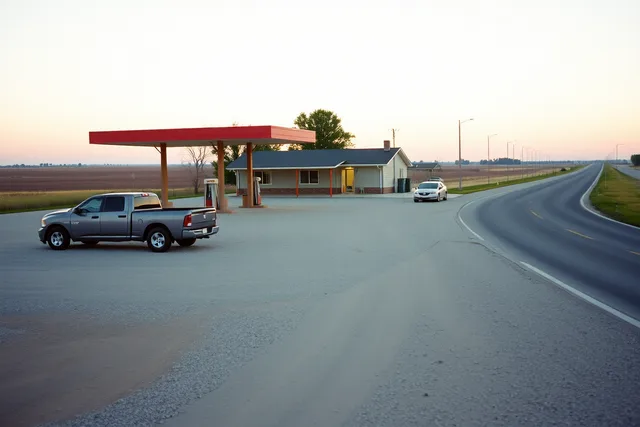
Route pages describe the surface and hazards. Your vehicle is the most expensive gear you own.
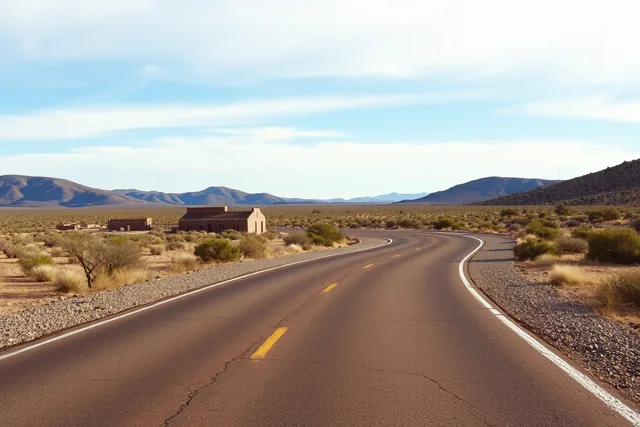
The BLM page for the South Big Horn and Red Wall Back Country Byway in Wyoming covers a gravel road tracing old livestock trails through open range ranchers still use. It lists campgrounds at Graves Springs and Buffalo Creek, Middle Fork of the Powder River access, and roads into Big Horn National Forest.
Open range on gravel means cattle guards, dust, sharp rock and low speeds. It is a tire and suspension problem before it is a comfort problem.
What tends to hold up
- Simple metal stakes, long, and more of them than you think.
- Sealed plastic water containers with a tap you can operate one handed.
- A canopy that guys out properly, or no canopy at all.
- Hard cases for anything with a lens or a screen.
- Cotton or wool layers, which handle dust and sun better than thin synthetics.
What tends to fail
| Item | Usual failure |
|---|---|
| Light pop up shelters | Wind, on the first exposed night |
| Thin charging cables | Dust and repeated flexing in the vehicle |
| Zip closures on soft bags | Grit in the teeth after a few gravel days |
| Cheap tent poles | Cold mornings and repeated pitching |
| Soft coolers | Heat, once the shade you assumed is not there |
Judge gear against the page, not the review
Before buying, read the route page for wind, shade, water and surface, then ask whether the item survives those four things. That is a better filter than any star rating, and it costs nothing.
Where to go next
The starting list of what to carry at all is in what to pack for slow road travel. Gear failures often begin as planning failures, which is the subject of how to avoid slow travel mistakes.