Maintenance
Four slow travel mistakes: road closures, posted notices, and weather
Four planning mistakes that spoil slow road trips: assuming a road is open, ignoring posted notices, no weather plan, and trusting a map over the managing office.
What to take away
- Most bad days come from four mistakes, and all four are cheap to avoid before you leave.
- Closures exist for reasons that have nothing to do with the road surface, and they move.
- A posted notice about flooding or conditions outranks anything you remember from last year.
- The managing office is the source. A map application is a navigation tool, not a permission.
Slow road trips rarely fail dramatically. They fail through small omissions that only become visible at the gate, in the wash, or where the fuel gauge and the distance to the next town stop agreeing.
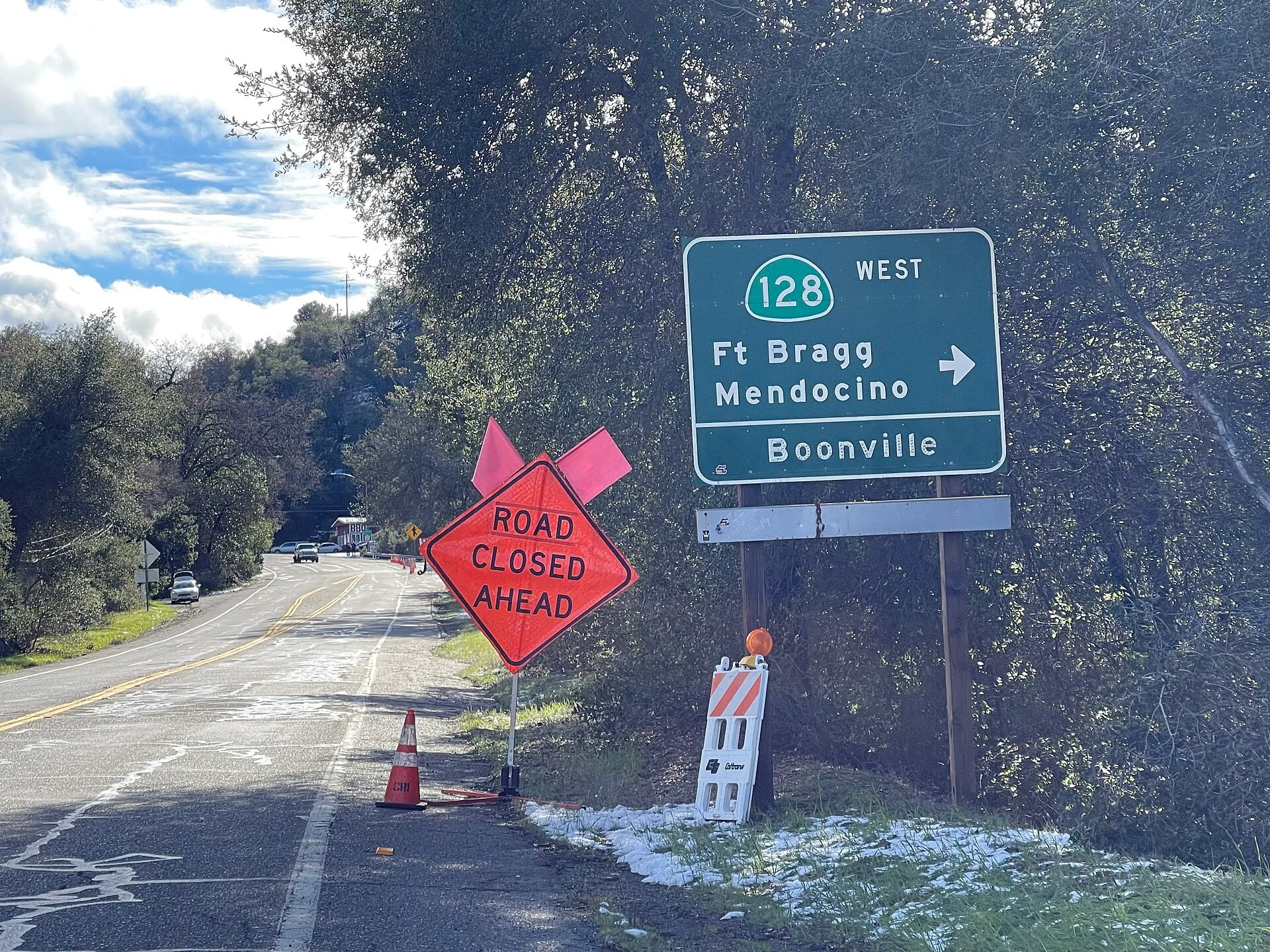
Mistake one: assuming the road is open
Closures are about more than snow. The BLM's page on seasonal closures in Colorado says the state uses them to reduce disturbance to wintering wildlife. Animals that flee from people burn calories they need to survive the winter, and pregnant deer and elk are especially sensitive.
Check current closure dates, access limits and travel restrictions before heading out. The page states plainly that closure dates and boundaries can change.
Two lessons sit in that. A road can be closed for reasons unrelated to its condition, and last year's dates are not this year's dates.
Mistake two: ignoring a posted notice
When an agency posts a warning on a route page, it is usually recent and specific. The BLM's page for the Bradshaw Trail Back Country Byway in California carries a notice that flash floods have affected routes in the area, telling visitors to exercise increased caution, check the weather before the trip and be prepared.
The rest of that page sets the context. The trail is a 70 mile dirt road, periodically graded by the county transportation department. Four wheel drive is recommended because of stretches of soft sand. It follows the route blazed by William Bradshaw in 1862 as an overland stage road to the gold fields at La Paz.
Seventy miles of graded dirt with soft sand and a flood notice is not a route to attempt on optimism.
Mistake three: no weather plan
- Check the forecast for the area you will be in, not the town you left.
- Know what rain does to the specific surface you are driving.
- Decide the turnaround trigger before you start, and say it out loud.
- Avoid washes and slot canyons when storms are anywhere upstream.
Mistake four: trusting the wrong source
A mapping application shows a track. It does not show whether the track is legally open, currently passable, or maintained at all. Use it to navigate and use the managing field office to decide whether to go.
| Question | Ask this source |
|---|---|
| Is it legally open? | Managing field office |
| What is the surface today? | Field office, or a recent visitor |
| Where does the road actually run? | Map and application |
| What is the weather doing upstream? | National forecast for that area |
Where to go next
The step by step planning method that removes most of these mistakes is in the backroad planning steps. For the wider approach that puts distance and conditions ahead of destinations, read the slow road travel guide.
Common questions
What is the single most common mistake?
How recent does a road report need to be?
Is it a mistake to travel alone?
What should I do if I get it wrong out there?
In this guide
- Best seasons to avoid the usual slow travel mistakes in 2027: the parts worth your timeSeason is where most slow travel mistakes begin. How winter access rules, gate keys and office hours quietly decide whether a trip is possible at all.
- The short packing list that prevents the usual slow travel mistakesThe packing errors that cause trouble on remote roads, and the short list agencies themselves recommend: fuel, offline maps, tools, a spare and a told plan.
- What slow travel planning mistakes cost: mileage, closures and stale budgetsWhat planning errors cost on a slow road trip: extra miles, seasonal closures, stale budget figures and the last checks that prevent most of them.
- Slow travel mistakes companies can't fix: ask locallySlow travel mistakes companies can't fix come down to local conditions: closed roads, thin fuel and water, weather that turns. Here is who to ask, and how.
- Slow travel mistakes: check accessible options firstSlow travel mistakes: accessible options are in the detail agency pages publish — parking counts, path surfaces, closures — so check before you commit.