Reviews
Part of How to build a backroad travel itinerary: route first, services after
Short paved loop or long gravel run: backroad itineraries compared
Comparing two shapes of backroad trip, the short paved loop and the long remote gravel run, and what each one demands of time, vehicle and preparation.
What to take away
- The two useful shapes are the short paved loop and the long remote run. Most trips are one or the other.
- A paved historical loop can be done in an hour and still be worth the detour.
- A fifty mile gravel route with no services is a day, or three, depending on how you use it.
- Choose by how much self reliance you want to carry, not by how far you want to drive.
Backroad itineraries come in two shapes, and confusing them is the most common planning error. One is a short surfaced loop you slot into an existing drive. The other is a committed run through country with no services, where the route is the trip.
Shape one: the short paved loop
Add these routes to a day; don't build a day around them.
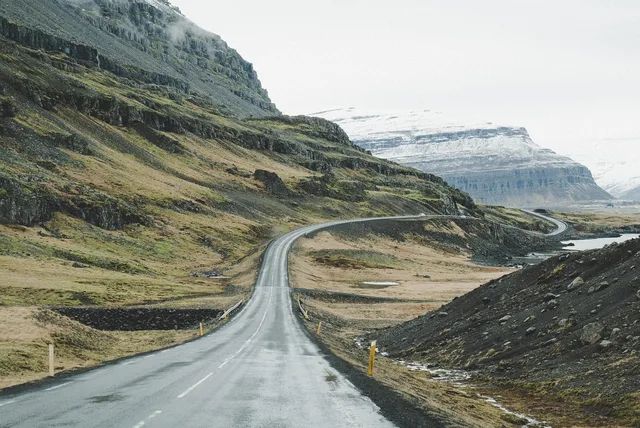
The BLM's page for the Lake Valley Back Country Byway describes a meandering 48 mile drive on paved roads. The route crosses ranching and mining country in southwestern New Mexico and passes the ruins of the 1880s mining town of Lake Valley. The byway offers an outstanding trip for travelers with an hour to spare.
An hour, paved, with a mining ghost town on it. That is a low commitment addition to a longer drive, suitable for an ordinary car, and it does not change what you need to carry.
Shape two: the long remote run
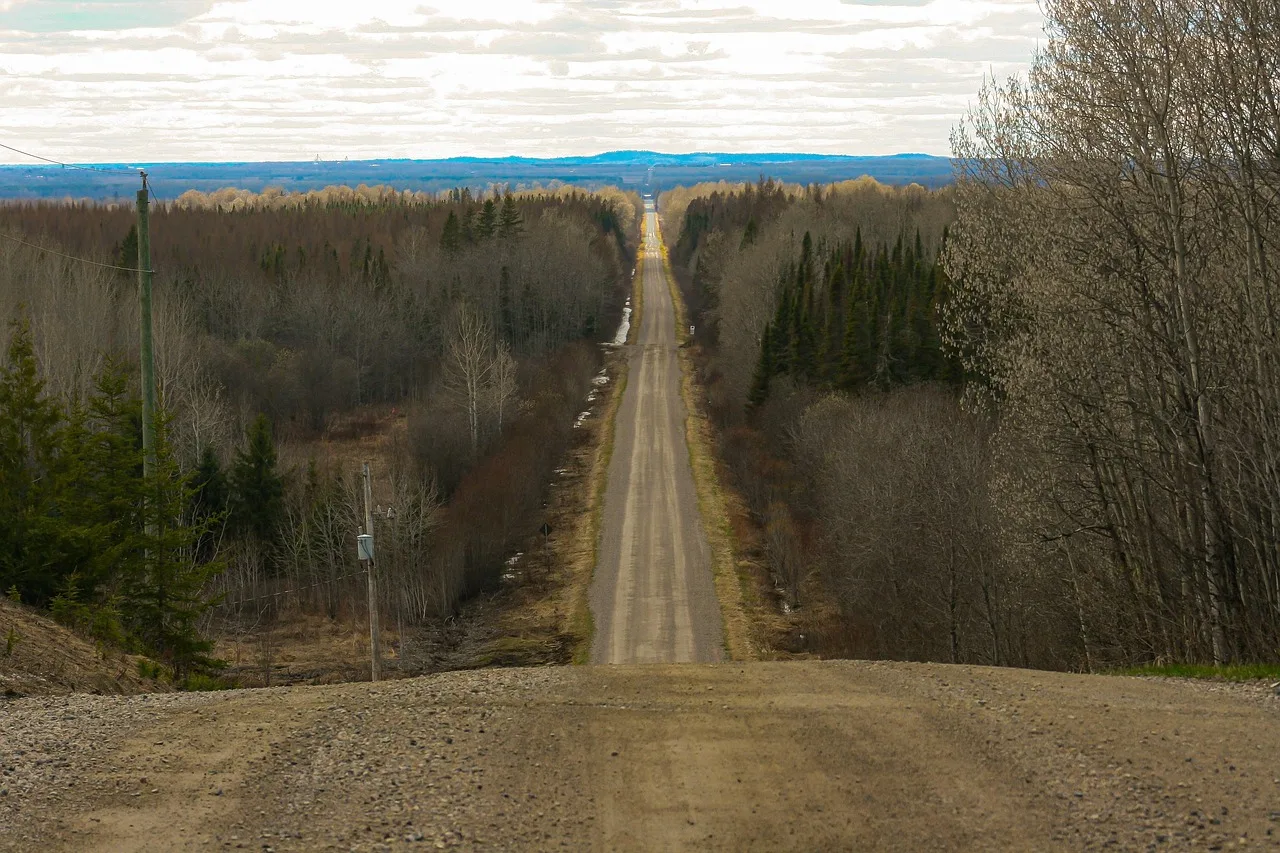
The other shape asks for planning and equipment. The BLM's page for the Big Sheep Creek Back Country Byway in Montana describes a route of more than 50 miles.
Reached from Interstate 15 at the Dell exit north of the Idaho border, it is usually passable for all types of vehicles in summer. A relaxing three hour drive is suggested, or two to three days if you fish, hike or watch wildlife.
The same page is explicit about the trade. No services are available along the byway and there is no potable water, so bring everything you will need, and rain can make gravel and dirt surfaces challenging.
Fifty miles that can be three hours or three days, with nothing along it, is a fundamentally different proposition from an hour on pavement. A remote run also changes what you carry, and the packing list for slow road travel starts with water and fuel.
Comparing them honestly
Short paved loop
- Time needed
- One to three hours
- Vehicle
- Any road worthy car
- Water and fuel
- Carried as normal
- Weather sensitivity
- Low
- Turnaround options
- Frequent
- Best used as
- An addition to a day
Long remote run
- Time needed
- A full day at least
- Vehicle
- Depends on the route's own wording
- Water and fuel
- Carried in full, for the whole route
- Weather sensitivity
- High, especially after rain
- Turnaround options
- Few, and sometimes none
- Best used as
- The day itself
Choosing between them
Ask what you want the day to feel like. If you want to stop in towns, eat somewhere and still cover ground, take the loop. If you want to be somewhere with nobody on the road for hours, take the remote run and prepare properly for it.
Mixing the two in one day is the error. A remote run with a loop tacked on is how people end up finishing a gravel section after dark.
Where to go next
The full sequence for turning either shape into a plan is in the backroad itinerary process. If you are considering paying somebody to run the remote version for you, how to compare guided trips sets out what to ask.