Industry
Part of Fourteen kinds of road trip operator: sorted by what the rules require
Can a town back a road trip operator with more than a friendly wave?
What a road trip operator needs from a town, and how a shop, cafe, motel or restaurant becomes the stop every group on the route plans around.
What to take away
- An operator running a back country route brings the same group through town twice a day, several days a week, all season.
- The trade goes to whoever opens before seven, has fuel at the hours the trip starts and finishes, and can park a vehicle with a trailer.
- Land designation decides what activities are permitted, how many operators work a unit, and how long the season runs.
- Agency strategy documents name state level priority actions months before they reach a permit application.
- Repeat trade is built on one solved problem, a season price and a clear cancellation rule.
What operators actually need
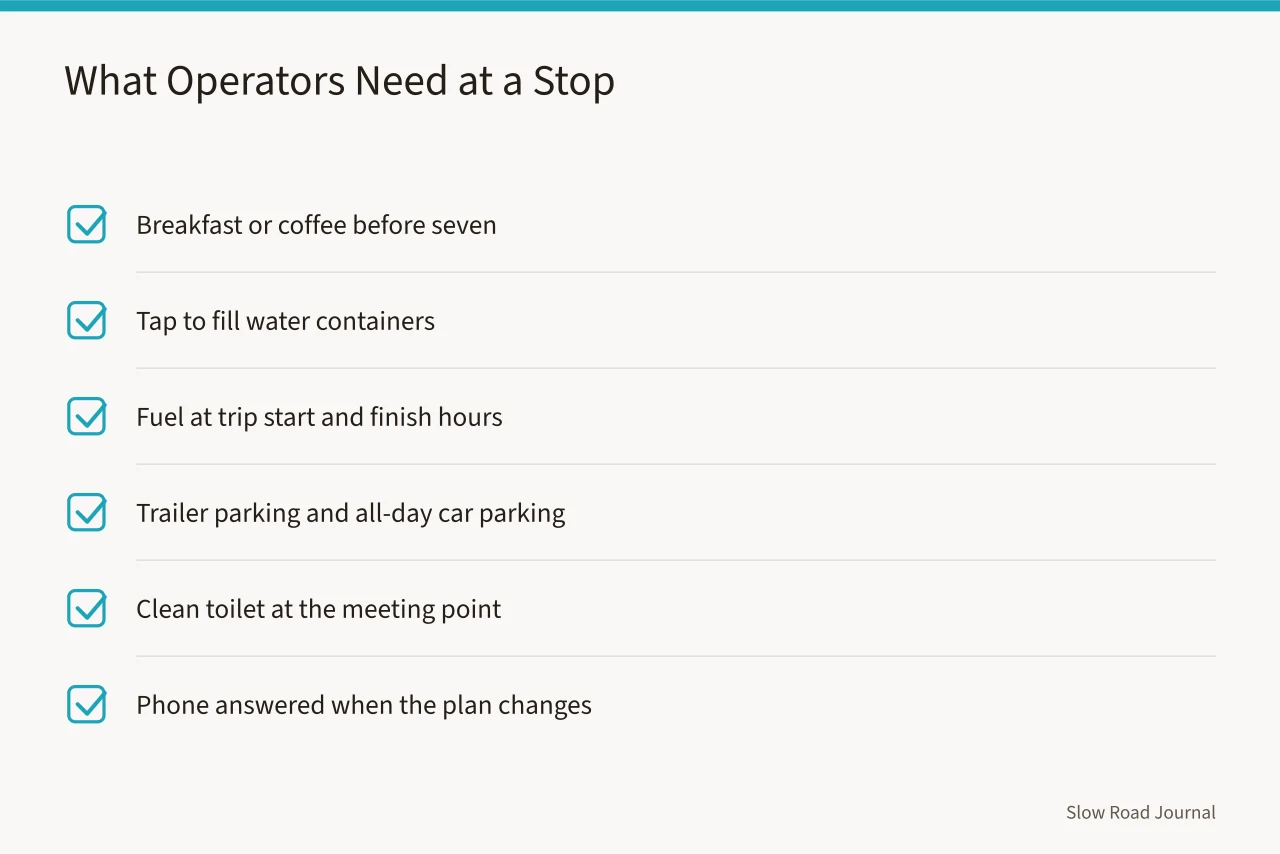
- Breakfast or coffee before seven, and a tap to fill water containers.
- Fuel at the hours the trip starts and finishes, not at nine.
- Parking for a vehicle with a trailer, and somewhere clients can leave a car all day.
- A clean toilet at the meeting point.
- A phone that gets answered when the plan changes.
None of it is glamorous. All of it decides where a trip stages.
Designations shape the work
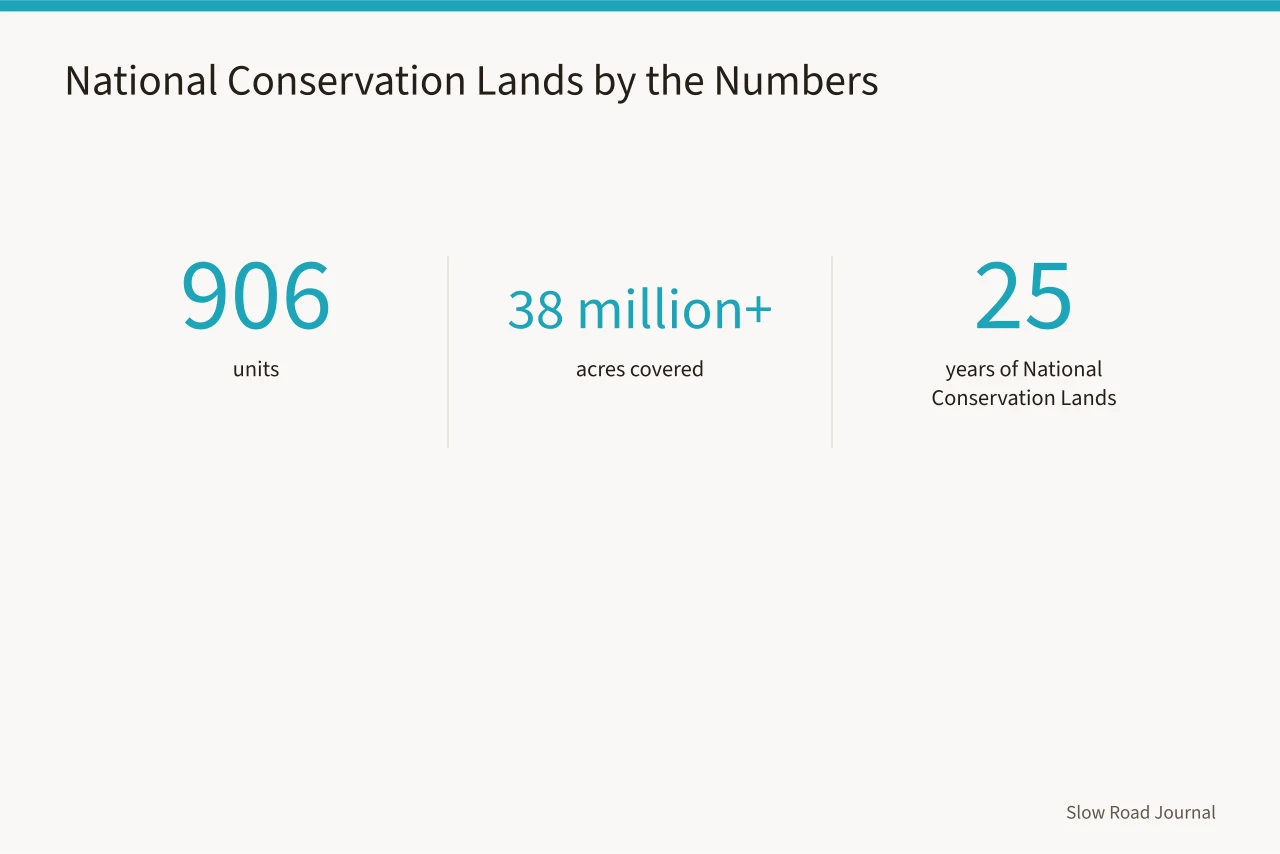
Where an operator can run depends on land designation. The BLM's page marking twenty five years of National Conservation Lands describes 906 units covering more than 38 million acres.
Those units include national monuments, national conservation areas, wilderness areas and wilderness study areas, wild and scenic rivers, and national scenic and historic trails. Congress and the President designate them to conserve particular features.
That has a commercial edge. A unit's designation influences what activities are permitted, how many operators work there, and how long the season runs. A business near one of these units sits near a stable source of visitors with rules attached.
Read the strategy documents
Agency direction is published, and these documents are short enough to skim. The BLM's summary of the National Conservation Lands fifteen year strategy organizes national guidance around four themes.
They conserve, protect and restore these lands' values, managing them collaboratively as part of a wider area. They raise awareness of their value and benefits and build on the agency's commitment to conservation.
Each state office then prepared a step down strategy naming priority actions at state and unit level. Those state level actions often decide whether a guided road trip runs at all, which is where state rules and collecting limits start to bite.
For a local business, the collaborative management and awareness themes are the openings. Both need a shop, a cafe or a lodging owner who is already on the ground.
Becoming part of the itinerary
Pick one problem and solve it dependably: an early opening, a reliable water point, secure day parking, or a phone that gets answered. Then tell the operators in the area that you do it. Repeat trade on a touring route rests on reliability rather than range.
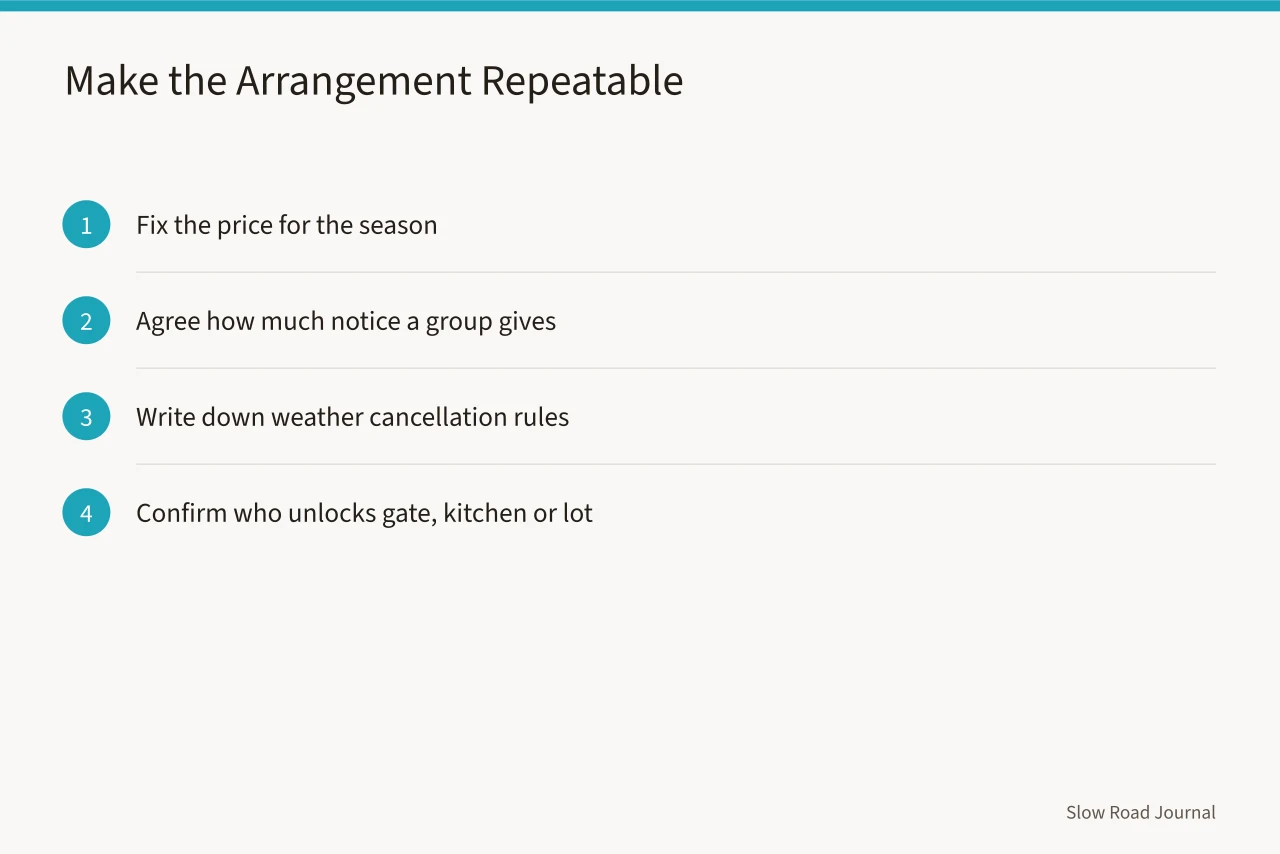
The second step is making the arrangement easy to repeat.
- Fix the price for the season instead of quoting each group.
- Agree how much notice a group must give before arrival.
- Write down what happens when weather cancels a trip at short notice.
- Confirm who unlocks the gate, the kitchen or the lot, and by what hour.
An operator who knows exactly what to expect sends every group your way for years, and mentions you to other operators on the same route.
Worked example: two towns, same route
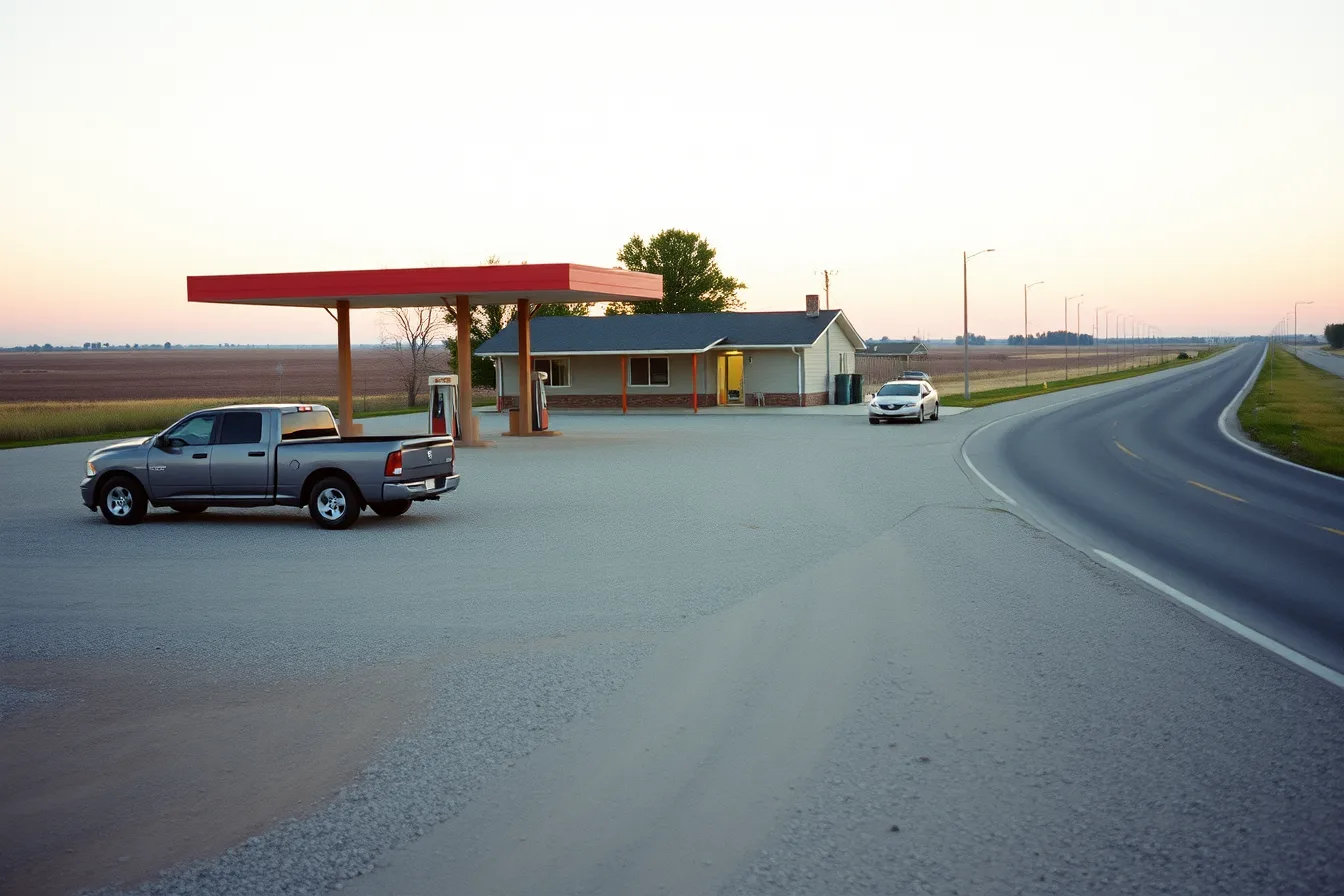
A town with a diner opening at six thirty, a card-lock fuel pump and a gravel lot behind the hardware store keeps the morning stop. A town twenty miles on with a seven o'clock cafe and no trailer parking loses it, even though its coffee is better.
The difference is not hospitality. It is whether the stop fits the shape of the operator's day.
Where to go next
Knowing which kind of operator you are dealing with helps, and the fourteen kinds of road trip operator sets out what each one needs. For the general version of this argument, see how local businesses can support small town stops.
Common questions
Should I offer operators a discount?
Reliability matters more than price. A guaranteed early opening is worth more to an operator than ten percent off, because it protects the departure time for every group that season.
How do I find out which operators work near me?
Ask the managing field office which permit holders operate in the area, then contact them directly. The field office is the authority on who is authorised, not the town's visitor center.
Is it worth advertising to operators?
Rarely. A direct conversation with three or four of them achieves more than any advertisement, and it tells you which problem they actually need solved.
What if the season is short?
Publish honest seasonal hours. Operators plan months ahead and will build around a schedule they can trust, even one that closes in October.