Costs
Part of Four slow travel mistakes: road closures, posted notices, and weather
What slow travel planning mistakes cost: mileage, closures and stale budgets
What planning errors cost on a slow road trip: extra miles, seasonal closures, stale budget figures and the last checks that prevent most of them.
What to take away
- The expensive mistakes are all mileage.
- A seasonal opening you did not check can cost a whole day of driving.
- Budget figures carry a year. Using an old one quietly understates the trip.
- The cheapest correction is the one made at the last town with a signal.
Nobody plans a mistake into a budget, which is why mistakes are the part of a road trip that goes over. The costs are predictable, and three of the four are avoidable with a phone call.
Wasted miles are the main expense
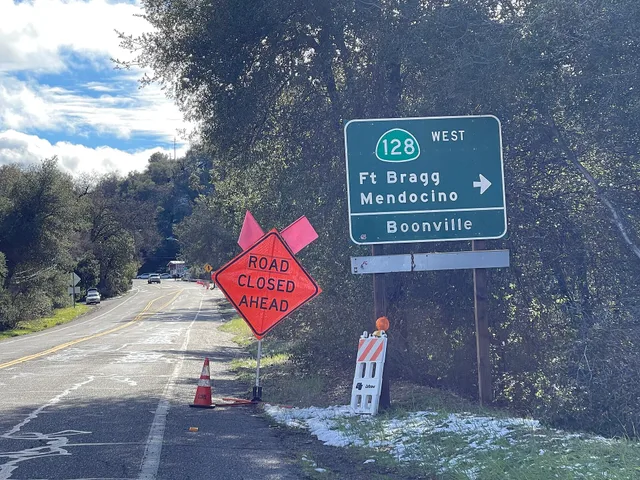
A closed gate means retracing, a missed turn on gravel costs an hour each way, and an overnight in the wrong direction adds a morning. Price those in your own per mile terms: a wrong assumption about a road is usually a fifty to hundred mile mistake.
At a typical 25 miles per gallon and $3.50 per gallon, 75 extra miles cost about $10.50 in fuel, before the time lost.
Seasonal openings decide whole days
Planning a day around a facility that is shut is a common and expensive error. The BLM's page for the Briceburg Visitor Center in California describes a historic stone building twelve miles northeast of Mariposa on Highway 140. It was built in 1926 as the all weather highway into Yosemite was under construction.
It served as a general store, later a lodging inn and soda fountain, and was refurbished by the BLM as a visitor center. The page also states that the visitor center itself has a limited opening season.
The same page notes something useful for anyone caught out: wireless internet is available on the visitor center porch twenty four hours a day for booking campsites through the federal reservation system. A place to book a site when you have lost your plan is worth knowing about.
Budget figures have a year attached
Costs drift, and using last year's number is a quiet error. The General Services Administration's page of per diem files publishes rate tables by fiscal year going back more than a decade, alongside meals and incidental expense breakdowns and annual highlights documents.
For fiscal year 2025, the standard CONUS rate is $110 for lodging and $68 for meals and incidental expenses.
The lesson is not the rates themselves. It is that a published travel figure belongs to a specific year and is reissued annually. If your own budget uses a number you remember from a previous trip, it is out of date by construction.
What each mistake typically costs
| Mistake | Typical cost |
|---|---|
| Unchecked closure | 50 to 100 extra miles; at 25 mpg and $3.50 per gallon, about $7 to $14 in fuel |
| Facility closed for the season | 1 day of driving, often 150 to 300 miles, plus 1 unplanned night |
| Stale budget figure | FY2025 GSA standard CONUS: $110 lodging plus $68 meals, not an older year |
| No reservation where one is required | 1 to 2 hours and 30 to 60 miles to a backup site |
| Late arrival at a first come site | 1 extra night or 20 to 40 miles to the next town |
The correction that costs least
Make the last check from the last place with a signal. Confirm the road, the opening days and the reservation, and adjust while you still have options.
Where to go next
The four errors behind most of these costs are set out in how to avoid slow travel mistakes, and to build the budget these numbers sit inside, see budgeting a road trip without fuzzy numbers.