Industry
Part of Four slow travel mistakes: road closures, posted notices, and weather
Slow travel mistakes companies can't fix: ask locally
Slow travel mistakes companies can't fix come down to local conditions: closed roads, thin fuel and water, weather that turns. Here is who to ask, and how.
What to take away
- Local knowledge is organized. Agencies partner with communities deliberately, not by accident.
- A themed visitor center is staffed by people who answer the same questions all day.
- Ask about the road and the season, not about what is worth seeing.
- The best guide is often the one who tells you not to go this week.
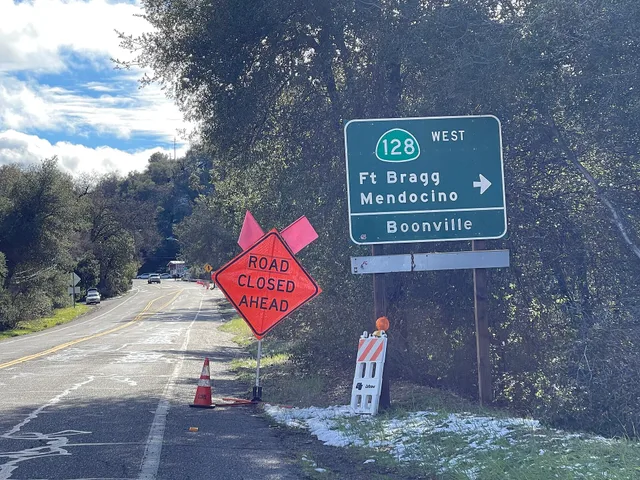
Most slow travel mistakes companies can't fix are information failures, and the information usually exists locally. A booking site can sell you the trip and the room; it cannot tell you whether the road you plan to drive reopened last week. The trick is knowing which door to knock on, and what to ask once it opens.
Local knowledge is a program, not a favor
The Bureau of Land Management works with communities on purpose. Its page describing the agency's recreation strategy sets out an approach called connecting with communities.
It relies on partnerships with state and local government, other federal agencies, conservation organizations and others, aiming for sustainable recreation opportunities and lasting economic benefits nearby. The page links through to how each state office implements that strategy.
That framing is useful for a traveler. It means the local visitor center, the friends group and the field office are connected rather than separate, and any one of them can usually point you to the right person.
Themed centers answer specific questions well
Route visitor centers often focus on a subject, making them better than a general inquiry desk.
The BLM's page for the Big Water Visitor Center in Utah describes one of four themed centers within Grand Staircase Escalante National Monument. This one covers early geologic and paleontological discoveries and sits on Highway 89 between Kanab in Utah and Page in Arizona.
Since 2005, fourteen new dinosaur species from the monument have been named. The page mentions exhibits and a full length mural inside.
If your questions are about rocks and fossils, that is the door. If they are about a specific canyon road, another center will be better, so choose by subject for a better answer.
Local partners also notice change first. A phone call to the right office is the quickest way past the slow travel mistakes that a booking site cannot see coming.
What to ask, in order
- What is the road doing right now, and when did somebody last drive it?
- Is anything closed this month, and when does it reopen?
- Where is the last reliable fuel and water on this route?
- What do people most often get wrong here?
- If the weather turns, what is the sensible alternative?
Question four is the one to remember. Staff who deal with the same route every week can tell you the standard mistake in one sentence.
Judging the advice
Prefer answers with dates and distances in them. Be cautious of confident encouragement with no detail, and take seriously anyone who suggests postponing. A local who tells you the road is not worth it this week has just saved you the most expensive mistake on the list.
Write down who told you what, and when. On a trip that crosses several districts you will collect advice from four or five people, and by the third day it blurs. A note with a name and a date beside it lets you work out which answer to trust when two disagree.
Where to go next
The mistakes this advice is meant to prevent are the ordinary ones: a road that closed last week, a stretch with no reliable fuel or water, a visitor center shut for the season, weather that turns early. Those are set out in more detail in how to avoid slow travel mistakes. For the wider question of finding and judging guides and operators, see how to find local guides for slow road travel.