Industry
What rules govern driving historic Route 66 through tribal lands?
Driving Route 66 through tribal lands requires tribal traffic codes, proper documents, and checking alcohol and permit rules before each reservation.
What to take away
- Driving historic Route 66 through tribal lands is legal on public highways, but tribal traffic codes apply.
- You must carry a valid license, registration, and proof of insurance. Some reservations ban alcohol and cannabis entirely.
- Permits are rarely needed for through-driving, but commercial filming, special events, and backcountry access often require them.
- Tribal police enforce traffic laws on tribal roads. State police may have limited jurisdiction unless cross-deputization exists.
- Rules change at each reservation boundary, so check the specific tribe's code before you drive.
Tribal jurisdiction on Route 66
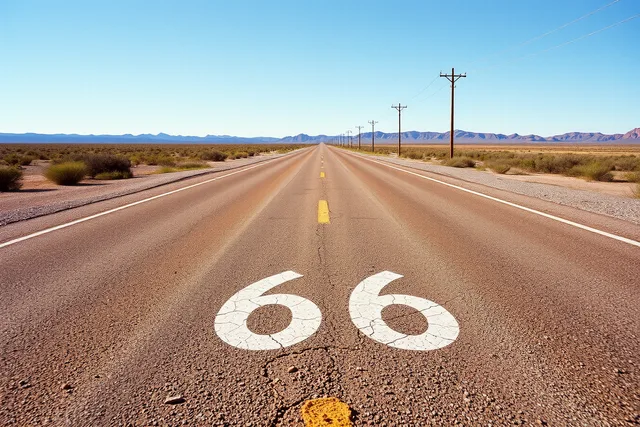
Route 66 crosses several tribal nations, including the Navajo Nation, Hopi, Zuni, Laguna, and Acoma. On these lands, tribal sovereignty means tribal law applies. The road may be a state highway, but the land is tribal. This creates concurrent jurisdiction.
Tribal police can stop you for traffic violations. State police may also enforce if a compact exists. The Wikipedia article on U.S. Route 66 covers the route's history through these areas.
Speed limits, vehicle rules, and preservation grants shift at every state line, and our comparison of Route 66 across eight states shows what changes.
If you need accessible overlooks or restrooms, check how accessible backroads standards apply to historic highways. Accessible overlooks and facilities are detailed for the Blue Ridge Parkway, a model for other historic routes.
Seasonal closures in the Rockies affect any long historic route trip, and our guide to Rocky Mountain pass closures covers NPS and state DOT schedules.
The Navajo Nation has its own traffic code. The Hopi Tribe enforces its own laws. Each tribe may have different speed limits and vehicle requirements.
Permits and what they cover
For ordinary driving on main highways, no permit is needed. Permits are required for commercial filming, special events, and some backcountry areas. The Navajo Nation requires permits for backcountry hiking and camping. Check the tribe's website or call the tribal tourism office.
Permit check before you drive
- Identify every tribe your route crosses
- Visit each tribe's official website
- Call tribal tourism office if unclear
- Apply at least two weeks in advance
- Identify every tribe your route crosses.
- Visit each tribe's official website for permit rules.
- Call the tribal tourism office if rules are unclear.
- Apply for any needed permits at least two weeks in advance.
For any historic highway, NPS travel planning for the Lincoln Highway offers maps and guidance on following old alignments.
Some tribes charge fees for permits. The Navajo Nation charges a fee for backcountry permits. Check the current fee schedule on the tribe's website.
Alcohol, cannabis, and other cargo rules
Many reservations are dry. The Navajo Nation and Hopi Tribe prohibit alcohol possession. Even sealed containers can be confiscated and cited. Cannabis is also illegal on many tribal lands, even if state law allows it.
- Check alcohol rules for each reservation.
- Check cannabis rules for each reservation.
- Check firewood movement restrictions.
- Check firearm rules for each reservation.
- Check pet rules for each reservation.
Firewood movement is restricted to prevent invasive pests. Do not bring firewood from outside the reservation. Buy local firewood or use certified heat-treated wood.
Enforcement and checkpoints
Tribal police can set up checkpoints for safety, fishing, or hunting enforcement. They may ask for your license, registration, and insurance. If you are stopped, be respectful and provide documents. Tribal tickets are handled in tribal court.
Tribal traffic tickets are handled in tribal court, not state court, unless a cross-deputization agreement says otherwise.
If you receive a ticket, you may need to pay it online or appear in tribal court. Some tribes report unpaid tickets to state DMVs. Keep a copy of the ticket and any payment receipt.
Example: driving through the Navajo Nation
A common Route 66 segment runs from Flagstaff, Arizona, to Gallup, New Mexico, paralleling Interstate 40. The historic alignment passes through the Navajo Nation. You need a valid license, registration, and insurance.
Alcohol is prohibited. Speed limits are enforced by Navajo police. If you take a side road to a trading post, you remain on tribal land. Backcountry travel requires a permit.
If your trip continues into Canada, border paperwork adds another layer. Our Missoula to Canada rules page explains what US CBP and CBSA require.
The Navajo Nation also requires permits for fishing and hunting. You can buy these at tribal offices. Check the Navajo Nation Parks and Recreation website for details.